


On August 3, 2026, a study tour from ZBTI arrived in Melbourne, Australia, for a 14-day visit to Holmesglen Institute. The group included 14 students from different schools and two teachers, Hu Yiwei and Wang Haitao. The program focused on language improvement, professional learning, and cultural experience.
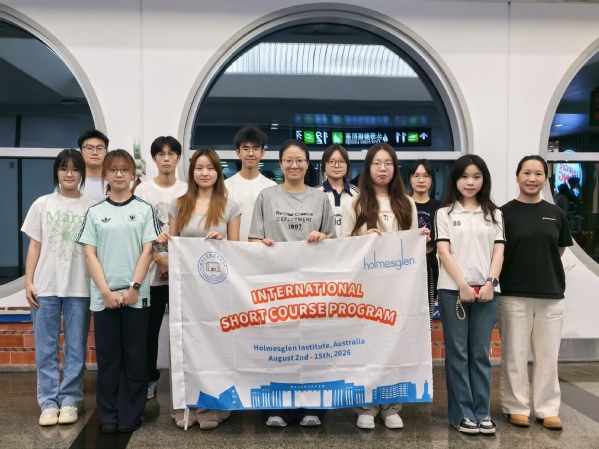
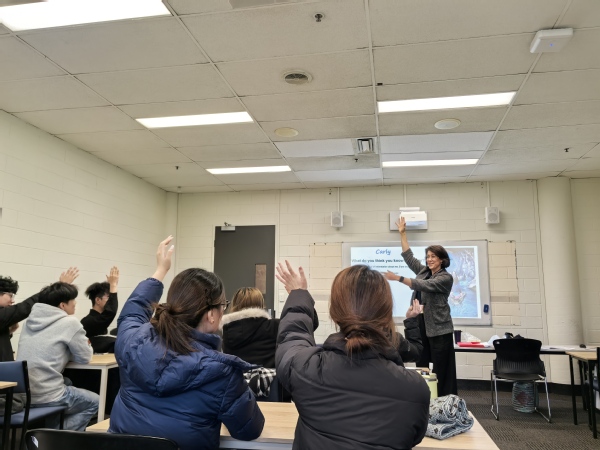
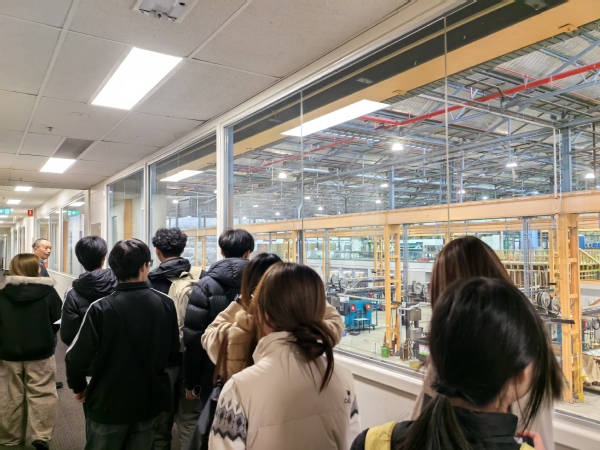
Holmesglen welcomed the group and held an orientation on the first afternoon. The students learned about the program, Melbourne, and the English courses. They also attended a demonstration English class and toured campus training facilities. During the visit, they took English courses with local students, sat in on business classes, joined practical activities at the Eildon campus, and explored central Melbourne.
Holmesglen Institute was Victoria’s largest public vocational education provider, and the two institutions had cooperated for more than 20 years. The visit further strengthened their partnership.
A key event was the launch of the “Smart Overseas” Australia Holmesglen Training Center, jointly established by ZBTI and Holmesglen. The center aimed to support Chinese auto companies’ overseas expansion and address the shortage of after-sales technical talent. It drew on ZBTI’s intelligent vehicle technology program and resources from companies such as Geely.
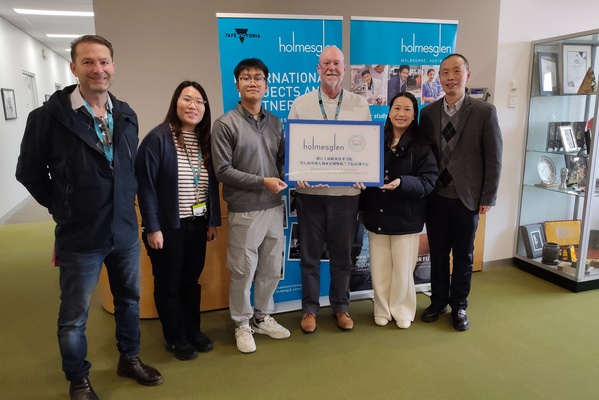
On the opening day, ZBTI teacher Wang Haitao gave the first “AI+IT Applications” training. The training introduced AI tools for the workplace and connected them with Chinese automakers’ AI models and smart manufacturing practices, including fault diagnosis. About 50 participants attended, and Holmesglen issued a training certificate to Wang Haitao, marking the export of teachers, courses, and standards.
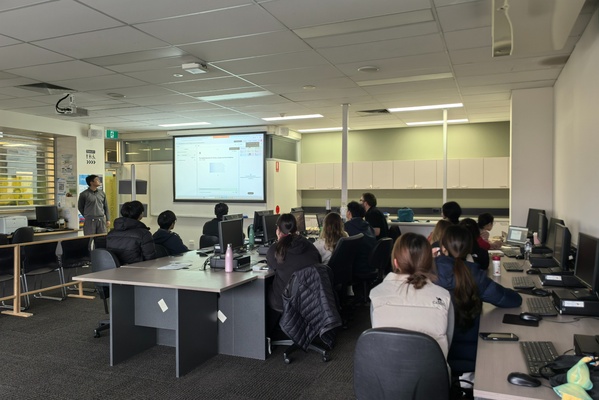
The team also visited Geely’s Melbourne marketing headquarters. They learned that the company needed professionals with both vehicle technology and smart tool skills. This helped identify directions for future curriculum development. The center planned to work with Geely’s Australian after-sales network to develop new energy vehicle maintenance courses and build skills certification standards. Both sides were also building a “mutual visit—mutual training—joint development” mechanism. The Australian project-driven teaching model offered lessons for ZBTI’s teaching reform.
According to ZBTI, the training center was an important practice of “education follows industry output, schools and enterprises go global together.” It marked a step in China-Australia vocational education cooperation from “bringing in” to “going global.” ZBTI would continue to promote Chinese vocational education standards overseas and serve the global layout of Chinese auto companies. The study tour was expected to help students broaden their international vision and gain valuable experience.

ZBTI Wechat
Address: No. 1988 Airport road, Haishu District, Ningbo city, PR.China, 315012
Tel: (86)574-87422024, 87422075
E-mail: gjhzc@zjbti.net.cn